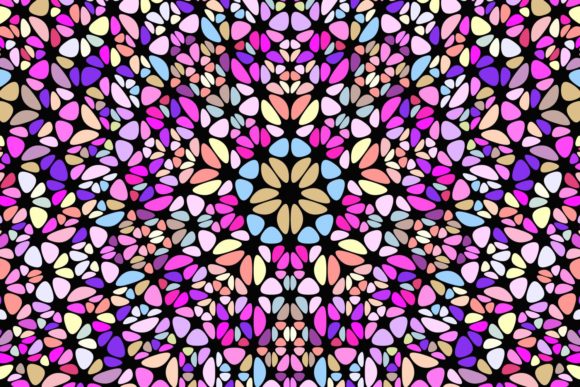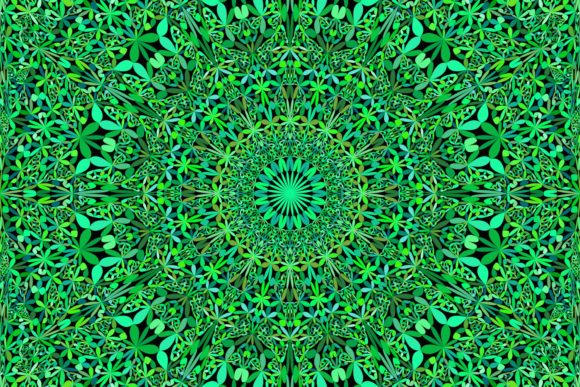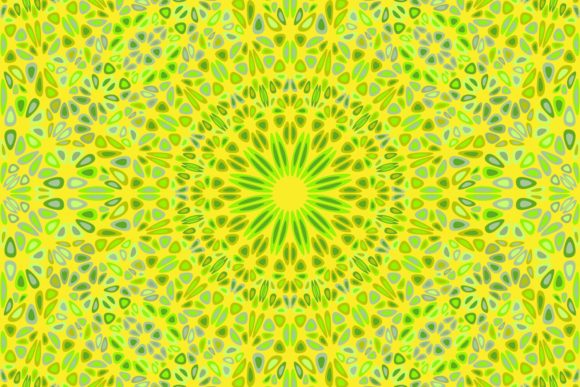
Seamless Flower Mandala Background Art: Elevating Modern Design with Spiritual Aesthetics
In the rapidly evolving landscape of digital and print design, the demand for visuals that convey both sophistication and serenity has never been higher. Seamless flower mandala background art has emerged as a cornerstone asset for creators seeking to bridge the gap between traditional symbolism and contemporary aesthetics. This specific genre of design is not merely decorative; it serves as a functional tool for establishing mood, guiding visual hierarchy, and communicating brand values rooted in mindfulness, balance, and organic beauty. For professionals ranging from web developers to packaging designers, understanding the technical and aesthetic nuances of these patterns is essential for delivering high-quality work that resonates with today’s visually literate audience.
The relevance of abstract mandala flower ornament patterns extends far beyond their historical origins. In modern workflows, these designs act as versatile foundational elements. Whether utilized as a subtle texture on a luxury business card or as a bold hero image for a wellness app, the seamless nature of the artwork ensures consistency across varying dimensions. The integration of bohemian spiritual floral motifs speaks directly to current cultural shifts toward holistic living and sustainable branding. As consumers increasingly seek authenticity and emotional connection in the products and services they engage with, designers are turning to these intricate vector backgrounds to provide a sense of groundedness amidst digital noise.
The Evolution of Bohemian Spiritual Floral Design in Digital Media
The trajectory of mandala art in commercial design has shifted significantly over the last decade. Previously relegated to niche spiritual publications or counter-culture merchandise, bohemian spiritual floral seamless vector background designs have been refined and adapted for mainstream professional use. This evolution is driven by a broader societal embrace of wellness culture and the "slow living" movement, which prioritizes intentionality over speed. Designers are no longer using these patterns solely for their exotic appeal; they are leveraging them to communicate stability, harmony, and attention to detail.
Technological advancements have also played a pivotal role in this transformation. Early digital iterations of mandala art were often pixelated raster images that lost clarity when scaled. Today, the industry standard demands precision. The availability of high-resolution assets, specifically JPG 5000x5000 formats alongside scalable vectors, has democratized access to professional-grade ornamentation. This shift allows small business owners and freelance creatives to achieve the same level of polish as large agencies. Furthermore, the stylistic interpretation of these patterns has matured. Modern abstract mandala flower ornament patterns often feature cleaner lines, more sophisticated color palettes, and negative space that accommodates typography, moving away from the overly dense, cluttered compositions of the past.
Technical Specifications: Why Vector EPS and AI Formats Matter
For professionals managing multi-channel campaigns, file format is not a trivial detail—it is a determinant of workflow efficiency and output quality. While a JPG 5000x5000 file offers exceptional resolution for static digital displays and standard print jobs, vector formats like EPS and AI are indispensable for true versatility. Understanding the distinction is crucial for maximizing the utility of seamless flower mandala background art.
- Infinite Scalability: Vector files (EPS/AI) are mathematically defined rather than pixel-based. This means an abstract mandala flower ornament pattern can be resized from a postage stamp to a billboard without any loss of fidelity. This is particularly important for environmental design, trade show signage, and large-format textile printing where raster images would appear blurry or artifact-heavy.
- Editability and Customization: Owning the vector AI source file grants designers complete control over the artwork. Colors can be adjusted to match exact Pantone brand guidelines, individual floral elements can be isolated or rearranged, and line weights can be modified to suit different media. This level of customization transforms a stock asset into a bespoke brand element.
- Clean Edges and Transparency: Vectors maintain crisp edges at any zoom level, which is vital when overlaying text or integrating the pattern into complex UI designs. Unlike flattened JPGs, vector formats support transparency layers, allowing the mandala to interact dynamically with underlying colors and textures without unsightly white boxes or jagged aliasing.
- File Size Efficiency: Despite containing complex geometric data, vector files are often significantly smaller in file size than high-resolution rasters. This facilitates faster loading times for web assets and easier file transfer between team members and print vendors.
Practical Applications Across Creative Industries
The utility of seamless flower mandala background art spans a diverse array of sectors, each utilizing the bohemian spiritual floral aesthetic to solve specific communication challenges. The adaptability of these patterns makes them a high-value asset in a designer's toolkit.
Branding and Packaging: In the beauty, wellness, and artisanal food sectors, packaging must instantly communicate product ethos. An abstract mandala flower ornament pattern suggests natural ingredients, handcrafted care, and holistic benefits. When applied to labels, boxes, or shopping bags, the seamless tiling creates a premium, cohesive look that elevates perceived value. The ability to edit vector files ensures that the pattern aligns perfectly with die-cut lines and brand color schemes.
Web and App Interface Design: User experience (UX) designers utilize these backgrounds to reduce cognitive load. Soft, repetitive geometric patterns can create a calming backdrop for meditation apps, yoga studio websites, or mental health platforms. The key here is subtlety; using a low-opacity JPG 5000x5000 version as a CSS background prevents the pattern from competing with foreground content while adding necessary textural depth to flat interfaces.
Textile and Surface Pattern Design: Fashion designers and interior decorators rely heavily on seamless repeats. Whether for boho-chic apparel, bedding, wallpaper, or ceramic tiles, the mathematical precision of vector mandalas ensures perfect registration during manufacturing. The spiritual connotation of the motif adds narrative value to home goods, appealing to consumers curating mindful living spaces.
Educational and Therapeutic Materials: Educators and therapists use mandala art for focus exercises, coloring therapy, and mindfulness journals. High-quality printable vectors allow for the creation of crisp, engaging worksheets and activity books. The structured yet organic nature of flower mandalas provides a visual anchor that aids concentration and emotional regulation, making them functional tools rather than mere decoration.
Navigating Market Trends and User Expectations
As with any design trend, saturation is a risk. The market has seen an influx of generic mandala assets, raising the bar for what constitutes high-quality seamless flower mandala background art. Modern audiences possess a refined eye; they can distinguish between mass-produced clip art and thoughtfully crafted design. To remain relevant, creators and businesses must prioritize originality and technical excellence.
Current trends favor "imperfect perfection." While vectors are mathematically precise, there is a growing preference for mandalas that incorporate organic variations, hand-drawn textures, or watercolor effects within the vector structure. This hybrid approach retains the scalability of EPS/AI formats while injecting the warmth and humanity associated with bohemian aesthetics. Additionally, color trends are shifting toward earthy, muted tones—sage greens, terracottas, and dusty roses—that reflect sustainability and calmness, moving away from the neon or overly saturated palettes of earlier digital eras.
User expectations regarding licensing and ethics have also evolved. Professionals are increasingly vigilant about sourcing assets that respect the cultural origins of mandala art. Using authentic, respectfully designed patterns avoids cultural appropriation and aligns with the ethical values of the target demographic. Furthermore, clients expect assets to be production-ready out of the box. Providing both JPG 5000x5000 for immediate digital use and vector EPS/AI for long-term flexibility meets the dual needs of speed and adaptability in fast-paced creative environments.
Optimizing Workflow with High-Resolution Assets
Integrating abstract mandala flower ornament patterns effectively requires a strategic approach to asset management. For freelancers and agencies, organizing these resources properly saves time and prevents technical headaches downstream.
- Establish a Naming Convention: Clearly label files with descriptors including style, colorway, and format (e.g., "Boho_Floral_Mandala_Sage_Vector.ai"). This eliminates guesswork when searching through extensive libraries.
- Create Smart Objects: When working in Photoshop with a JPG 5000x5000 file, convert the layer to a Smart Object. This preserves the original resolution and allows for non-destructive scaling and filtering, maintaining quality even if adjustments are made later.
- Leverage Pattern Tools: Most vector software includes dedicated pattern-making tools. Even if purchasing pre-made seamless flower mandala background art, understanding how to adjust tile points and spacing allows for custom density adjustments to fit specific layout constraints.
- Test Across Media: Always proof the pattern in its intended context. A bohemian spiritual floral design that looks elegant on a retina display may become overwhelming when printed on textured paper. Verify contrast ratios and scale before finalizing production files.
The intersection of spiritual symbolism and rigorous technical specification defines the modern utility of mandala art. By prioritizing high-quality vector formats and understanding the cultural and aesthetic context of these designs, professionals can harness the power of seamless flower mandala background art to create work that is not only visually stunning but deeply resonant. In an era where digital experiences often feel ephemeral, these timeless patterns offer a tangible sense of connection and craftsmanship that continues to drive their enduring popularity across industries.