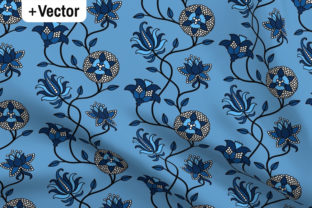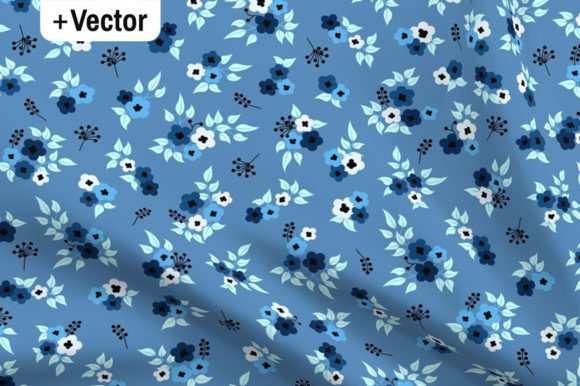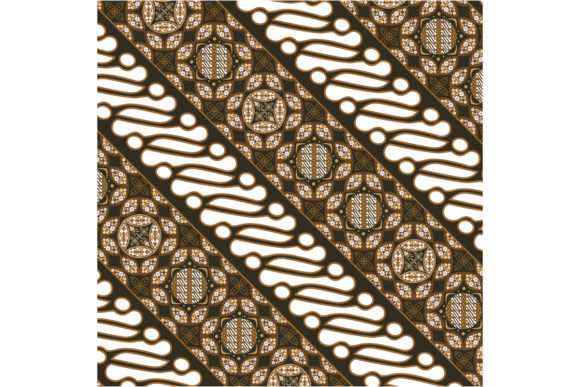
Elegance Traditional Javanese Batik
Elegance Traditional Javanese Batik is a timeless textile art form that has captivated the world with its intricate designs and rich cultural heritage. Originating from the island of Java, Indonesia, this batik style is not just a fabric; it's a symbol of tradition, craftsmanship, and elegance. The unique patterns and vibrant colors make it a versatile choice for various applications, from fashion to home decor.
Key Characteristics and Notable Qualities
Traditional Javanese Batik is known for its detailed and symbolic motifs, each with its own meaning and significance. The process of creating these textiles involves a meticulous wax-resist dyeing technique, which results in distinct, handcrafted patterns. The use of natural dyes and high-quality cotton or silk adds to the durability and luxurious feel of the fabric.
- Handcrafted Precision: Each piece is hand-drawn and dyed, ensuring no two pieces are exactly alike.
- Symbolic Motifs: Designs often include geometric shapes, floral patterns, and mythical creatures, each with its own cultural significance.
- Natural Dyes: The use of natural dyes like indigo, soga, and mengkudu creates a rich, earthy palette.
Practical Applications in Various Environments
Elegance Traditional Javanese Batik can be seamlessly integrated into multiple aspects of daily life, enhancing both personal and professional spaces.
Personal Use
For individuals, batik can be a statement piece in their wardrobe. Whether it's a traditional kebaya or a modern batik dress, these garments exude sophistication and cultural pride. Additionally, batik can be used for home decor, such as tablecloths, cushions, and wall hangings, adding a touch of elegance and warmth to any room.
Professional and Commercial Use
In a professional setting, Elegance Traditional Javanese Batik can be used to create a unique and memorable brand identity. Companies can incorporate batik patterns into their uniforms, office decor, and promotional materials, showcasing a commitment to cultural appreciation and quality. For businesses in the hospitality and tourism sectors, using batik in hotel interiors and staff attire can enhance the guest experience and provide a distinctive local flavor.
Educational and Creative Environments
Educators and creatives can also benefit from incorporating batik into their work. In educational settings, batik can be used to teach students about cultural heritage, art, and history. For artists and designers, the intricate patterns and techniques of batik offer endless inspiration for new projects and collaborations.
Potential Benefits and Real-World Examples
The use of Elegance Traditional Javanese Batik offers several benefits, including enhanced visual appeal, cultural authenticity, and versatility. For example, a fashion designer might create a line of contemporary batik clothing that appeals to a global audience while staying true to the traditional roots. A corporate event planner could use batik table runners and napkins to add a touch of elegance and cultural richness to a business dinner.
Usability and Efficiency
Batik fabrics are known for their durability and ease of care, making them a practical choice for everyday use. The natural dyes used in traditional batik are also environmentally friendly, aligning with the growing trend towards sustainable and eco-conscious products.
Appearance and Communication
The visual impact of Elegance Traditional Javanese Batik is undeniable. Its intricate patterns and vibrant colors can transform any space or outfit, making a strong and lasting impression. In a professional context, using batik can communicate a message of cultural respect and appreciation, fostering a positive and inclusive environment.
Practical Considerations for Selection and Implementation
When selecting and implementing Elegance Traditional Javanese Batik, it's important to consider the specific needs and context of the project. Here are some practical tips:
- Quality and Authenticity: Look for high-quality, authentic batik from reputable sources. Authentic batik will have a more detailed and consistent pattern.
- Color and Pattern Matching: Choose colors and patterns that complement the existing aesthetic of your space or design. For a cohesive look, consider the overall color scheme and style.
- Maintenance and Care: Follow the care instructions provided by the supplier to ensure the longevity of the fabric. Most batik fabrics can be hand-washed or dry-cleaned.
By embracing the beauty and versatility of Elegance Traditional Javanese Batik, you can add a touch of elegance and cultural richness to your personal and professional life. Whether you're looking to enhance your wardrobe, decorate your home, or create a memorable brand identity, this traditional textile offers endless possibilities.