Exploring Seamless Patterns: Geometric and Abstract Designs for Diverse Uses
Introduction to Seamless Patterns
Seamless patterns are a versatile and creative tool used in various design applications, from fabric and wallpaper to digital backgrounds and vector illustrations. These patterns are designed to repeat seamlessly, creating a continuous and visually cohesive look. In this article, we will delve into the world of seamless patterns, focusing on geometric and abstract designs, and explore their significance and practical uses.
Understanding Seamless Patterns
A seamless pattern is a design that can be repeated indefinitely without any visible seams or edges. This means that when the pattern is tiled, it creates a smooth, continuous appearance. The key to a successful seamless pattern is in its design, which must be carefully crafted to ensure that the repetition is flawless.
Types of Seamless Patterns
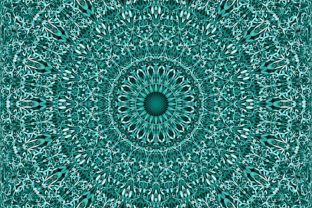
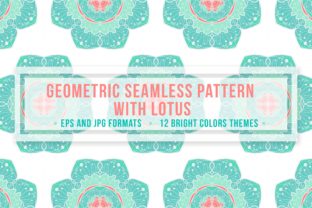
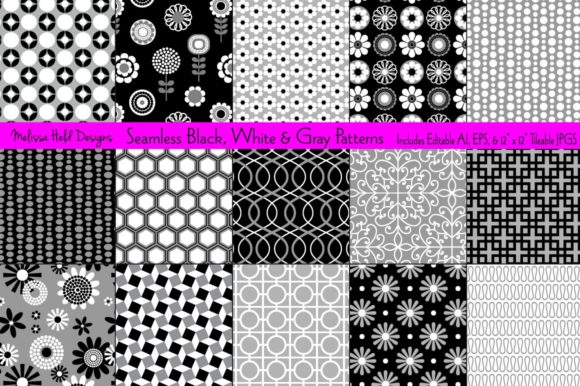
- Geometric Patterns: These patterns use shapes like squares, triangles, circles, and lines to create structured and symmetrical designs. Geometric patterns are often used in modern and minimalist designs.
- Abstract Patterns: Abstract patterns, on the other hand, are more free-form and can include a variety of organic and irregular shapes. These patterns are often used to add a unique and artistic touch to designs.
- Floral Patterns: Floral patterns incorporate natural elements like flowers, leaves, and vines. These patterns are popular in both traditional and contemporary designs, adding a touch of elegance and nature.
The Significance of Seamless Patterns
Seamless patterns play a crucial role in various fields, including graphic design, textile design, and web design. They are not just aesthetically pleasing but also serve functional purposes. For example, in textile design, seamless patterns are essential for creating fabrics that can be cut and sewn without disrupting the design. In web design, they are used to create visually appealing backgrounds that load quickly and efficiently.
Purpose and Practical Relevance
Seamless patterns are used in a wide range of applications:
- Fabric Design: From clothing to upholstery, seamless patterns are used to create visually appealing and consistent designs on fabrics.
- Wallpaper and Interior Design: Seamless patterns are perfect for creating custom wallpapers and interior decorations that can cover large areas without any noticeable seams.
- Web and Graphic Design: In digital design, seamless patterns are used for backgrounds, textures, and decorative elements, enhancing the overall visual appeal of websites and graphics.
- Print and Publishing: Seamless patterns are used in print media, such as book covers, posters, and stationery, to add a professional and polished look.
Creating and Using Seamless Patterns
Creating a seamless pattern requires a combination of creativity and technical skill. Here’s a brief overview of the process:
- Design Concept: Start by conceptualizing the design, whether it’s geometric, abstract, or floral. Consider the intended use and the desired aesthetic.
- Sketching and Drafting: Sketch the design on paper or using digital tools. This step helps in visualizing the final pattern and making necessary adjustments.
- Digital Creation: Use software like Adobe Illustrator or Photoshop to create the pattern. Tools like the Pattern Tool in Illustrator make it easier to create seamless designs.
- Testing and Refinement: Test the pattern by tiling it to ensure there are no visible seams. Make any necessary refinements to achieve a perfect, seamless look.
Practical Examples and Applications
Here are some practical examples of how seamless patterns can be used:
- Fashion Design: A fashion designer might use a seamless geometric pattern to create a bold and modern dress fabric.
- Interior Design: An interior designer could use an abstract seamless pattern for a custom wallpaper, adding a unique and artistic touch to a room.
- Web Design: A web designer might use a subtle, seamless pattern as a background for a website, enhancing the user experience with a visually appealing texture.
- Stationery Design: A graphic designer could use a floral seamless pattern to create a set of elegant and cohesive wedding invitations.
Included Files and Formats
When you download a seamless pattern, you typically receive a variety of file formats to suit different needs. Here’s what you might find in a typical seamless pattern download:
- AI (Adobe Illustrator) File: This vector file format is ideal for editing and scaling the pattern without losing quality. It’s perfect for designers who need to make modifications or use the pattern in various sizes.
- EPS (Encapsulated PostScript) File: Another vector format, EPS files are widely supported and can be used in a variety of design software. They are also suitable for high-quality printing.
- PNG File: PNG files support transparency, making them ideal for web and digital use. They are useful when you need a pattern with a transparent background.
- JPG/JPEG File: JPG files are commonly used for web and digital applications. They provide a good balance between quality and file size, making them suitable for backgrounds and other non-transparent uses.
Conclusion
Seamless patterns, whether geometric, abstract, or floral, offer a versatile and creative solution for a wide range of design needs. From fabric and wallpaper to digital backgrounds and vector illustrations, these patterns enhance the visual appeal and functionality of various projects. By understanding the principles behind seamless patterns and exploring their practical applications, you can leverage these designs to create stunning and cohesive visuals in your work and daily life.
Whether you are a designer, a business owner, or simply someone looking to add a touch of creativity to your projects, seamless patterns are a valuable tool to have in your design arsenal. With the right knowledge and resources, you can create and use seamless patterns to bring your vision to life.